
In today’s fast-paced world, keeping learners engaged has become more challenging than ever. That’s why innovative tools like Lightning Man are revolutionizing education by sparking curiosity and making learning truly interactive.
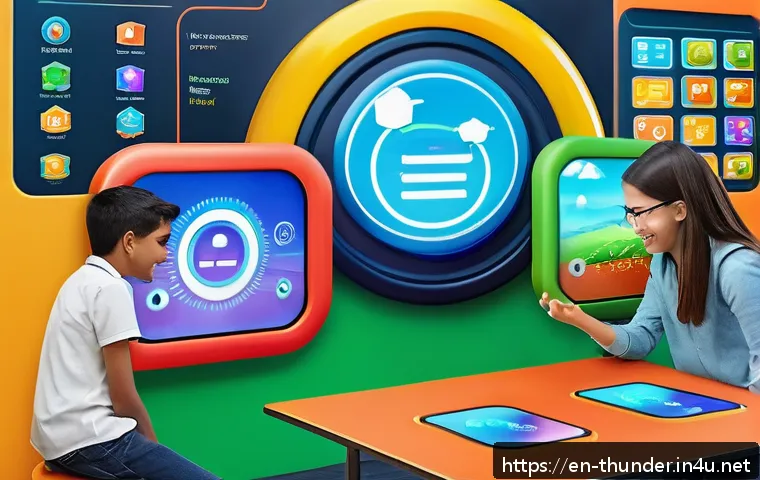
With recent advances in edtech, educators and parents alike are eager to discover resources that combine fun with effective teaching. If you’ve ever wished for a way to bring lessons to life and captivate students’ attention, this is the perfect time to explore how Lightning Man can transform your approach.
Let’s dive into how this dynamic resource is shaping the future of engaged learning and why it’s gaining so much momentum right now.
Creating an Interactive Learning Environment
Fostering Curiosity Through Engagement
One of the most powerful ways to ignite a learner’s passion is by sparking genuine curiosity. When students are curious, they naturally dive deeper into the subject matter without feeling pressured.
Interactive tools like Lightning Man excel at this by presenting content in a way that invites exploration rather than rote memorization. From my experience, learners respond better when they feel like active participants instead of passive recipients.
Encouraging questions and offering immediate feedback within the platform can transform a dull lesson into an exciting discovery session. This method doesn’t just increase attention spans but also helps information stick longer because it’s connected to the learner’s intrinsic motivation.
Utilizing Multimedia for Enhanced Understanding
Incorporating various media types such as animations, videos, and gamified quizzes makes the learning process dynamic and memorable. Unlike traditional textbooks, multimedia can cater to different learning styles—whether visual, auditory, or kinesthetic.
For instance, I noticed that students who struggle with reading comprehension benefit tremendously from animated explanations combined with interactive quizzes that reinforce concepts instantly.
This layered approach allows learners to engage multiple senses, making complex topics easier to grasp. As a result, learners become more confident in their abilities because they receive immediate reinforcement, reducing frustration and boosting enthusiasm.
Designing Lessons That Adapt to Learner Needs
A standout feature in modern edtech is adaptability. Lightning Man’s design allows lessons to be tailored to individual learning paces and styles, which is crucial for maintaining engagement.
From personal experience working with diverse classrooms, I can attest that one-size-fits-all lessons often leave some students behind while boring others.
Adaptive tools that adjust difficulty based on performance ensure that every learner feels challenged but not overwhelmed. This personalization helps maintain motivation and prevents boredom, which are common barriers to sustained engagement.
The ability to customize content also empowers educators to address specific gaps or interests, making the learning journey uniquely effective for each student.
Empowering Educators and Parents with Real-Time Insights
Tracking Progress with Data-Driven Dashboards
One of the features I find invaluable is the real-time analytics provided to educators and parents. These dashboards offer a clear view of student performance, highlighting strengths and pinpointing areas that need improvement.
From my observations, having access to such data shifts the teaching approach from reactive to proactive. Instead of waiting for test results, teachers can intervene early, tailoring their support to individual needs.
Parents, too, feel more connected to their child’s learning journey when they can monitor progress and celebrate small victories together. This transparency builds a collaborative environment where everyone is aligned toward the same educational goals.
Facilitating Communication Between Home and School
Effective education extends beyond the classroom, and Lightning Man supports this by creating seamless communication channels. I’ve seen firsthand how tools that enable messaging, progress sharing, and feedback loops between teachers and parents can dramatically improve student outcomes.
When parents are informed and engaged, students feel a stronger support system, which often translates into better motivation and accountability. This two-way communication ensures that any challenges can be addressed quickly and that successes are acknowledged, reinforcing positive behaviors and learning habits.
Supporting Professional Development for Educators
Empowering educators with ongoing training and resources is essential for successful implementation of any new tool. Lightning Man includes professional development modules that help teachers integrate technology effectively into their curriculum.
Based on my experience, educators who receive proper training tend to be more confident and creative in their instruction, which directly benefits learners.
These modules often include best practices, case studies, and community forums where educators can share insights and troubleshoot challenges. This sense of community and continuous growth fosters a culture of innovation and excellence in teaching.
Boosting Motivation Through Gamified Learning
Incorporating Game Mechanics to Enhance Engagement
Gamification is a game-changer when it comes to keeping learners motivated. By introducing elements like points, badges, and leaderboards, Lightning Man transforms learning into a fun challenge rather than a chore.
I’ve noticed that students often push themselves harder when there’s a friendly competition involved or a clear reward system. This approach taps into natural human desires for achievement and recognition, making lessons feel more like play and less like work.
It’s a subtle but powerful way to encourage persistence, especially for subjects that students might initially find intimidating or dull.
Balancing Competition and Collaboration
While competition can be a great motivator, it’s equally important to foster collaboration. Lightning Man strikes a balance by encouraging group challenges and cooperative tasks alongside individual achievements.
This blend promotes a healthy learning environment where students support each other while striving for personal goals. In my experience, cooperative learning not only builds social skills but also deepens understanding as students explain concepts to peers.
The combination of competition and collaboration ensures that motivation comes from multiple sources, keeping learners engaged from different angles.
Personalizing Rewards to Maintain Interest
Not all learners are driven by the same incentives, which is why personalization is key in gamification. Lightning Man allows educators to tailor rewards to fit the interests and needs of their students, whether that’s unlocking new content, earning virtual trophies, or receiving verbal recognition.
From what I’ve seen, when rewards feel meaningful and relevant, students are more likely to stay committed. This personalized approach prevents burnout and keeps the excitement alive throughout the learning process, making it easier for educators to sustain engagement over time.
Integrating Technology Seamlessly into Daily Routines
Ensuring Accessibility Across Devices
A crucial factor in modern education technology is accessibility. Lightning Man’s compatibility with various devices—smartphones, tablets, laptops—means learners can engage anytime, anywhere.
I’ve noticed that this flexibility is especially beneficial for students with busy schedules or limited access to traditional classroom settings. Being able to switch seamlessly between devices encourages consistent learning habits and allows for quick review sessions during downtime.
This level of convenience removes many common barriers to regular study, such as location or device limitations.
Streamlining Lesson Planning and Delivery
For educators, time is always at a premium. Lightning Man simplifies lesson planning by offering ready-made modules that can be customized and deployed quickly.
Having used this platform, I appreciate how it frees up time for teachers to focus more on interaction rather than content creation. The intuitive interface and integrated resources help streamline delivery, reducing setup hassles and technical difficulties.
This efficiency not only enhances the classroom experience but also reduces stress for educators, allowing them to be more present and responsive during lessons.
Supporting Hybrid and Remote Learning Models
The shift toward hybrid and remote learning has underscored the need for adaptable educational tools. Lightning Man is designed to support these models effectively by providing a consistent learning experience regardless of location.
I’ve observed that students using this platform in remote settings remain engaged through interactive content and real-time feedback, bridging the gap between home and school environments.
This adaptability is vital in today’s ever-changing educational landscape, ensuring that learning continues uninterrupted and remains high-quality no matter the circumstances.
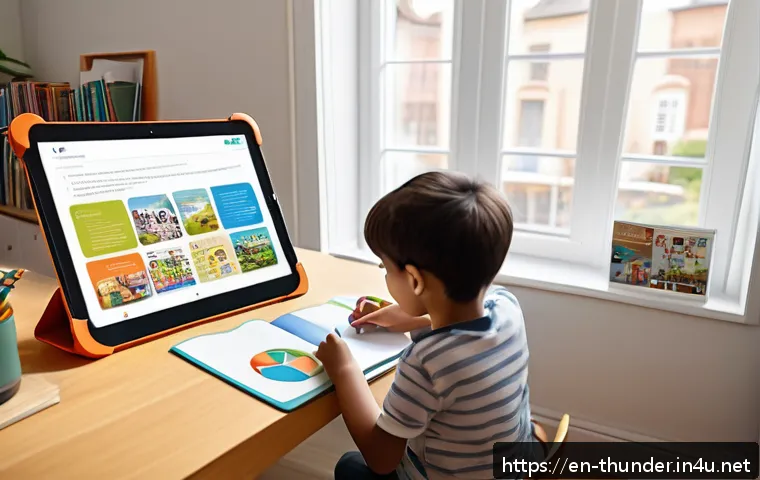
Measuring the Impact of Interactive Learning Tools
Analyzing Engagement Metrics to Refine Approaches
Data plays a critical role in understanding how well educational tools are working. Lightning Man offers detailed engagement metrics such as time spent on tasks, quiz performance, and interaction frequency.
From my experience, these insights allow educators to refine their teaching strategies, focusing more on what resonates with learners. For example, if a particular activity shows low engagement, teachers can modify it or supplement it with additional resources.
This iterative process ensures continuous improvement and a better overall learning experience.
Correlating Engagement with Academic Performance
Engagement alone isn’t enough; it must translate into tangible academic gains. Studies and my own observations show a strong correlation between active engagement through interactive tools and improved test scores and retention rates.
When learners are invested in the process, they tend to perform better in assessments and apply knowledge more effectively. Lightning Man’s design supports this by reinforcing concepts through varied, interactive methods, which cater to different learning preferences and strengthen understanding.
Gathering Qualitative Feedback for Holistic Evaluation
Numbers tell part of the story, but learner and educator feedback provide essential context. I’ve found that gathering qualitative insights through surveys and discussions reveals nuances that data alone can’t capture.
For instance, students may express increased confidence or enjoyment, which are critical for long-term success. Lightning Man encourages this feedback loop, helping developers and educators understand the emotional and motivational impact of the tool.
This holistic evaluation approach ensures that the platform evolves to meet real-world needs effectively.
| Feature | Benefit | Impact on Learning |
|---|---|---|
| Interactive Quizzes | Immediate feedback and engagement | Improves retention and motivation |
| Adaptive Learning Paths | Customized difficulty and pacing | Ensures optimal challenge and reduces frustration |
| Real-Time Analytics | Tracks progress and identifies gaps | Enables targeted intervention and support |
| Gamification Elements | Increases motivation through rewards | Boosts persistence and enjoyment |
| Multi-Device Accessibility | Learning anytime, anywhere | Encourages consistent engagement |
Building Confidence Through Mastery and Recognition
Encouraging Mastery Before Moving Forward
One of the most rewarding aspects I’ve noticed with interactive learning tools is their emphasis on mastery. Instead of rushing through content, learners are encouraged to truly understand a concept before advancing.
This approach builds solid foundations and reduces the frustration of encountering unfamiliar material later on. Lightning Man’s design incorporates checkpoints and mastery-based progression, which I’ve seen promote a sense of accomplishment and confidence.
Students feel empowered because they know they have genuinely earned their progress.
Celebrating Achievements to Sustain Motivation
Recognition plays a huge role in maintaining learner enthusiasm. Whether it’s virtual badges, certificates, or verbal praise, celebrating milestones keeps learners motivated and proud of their efforts.
From personal experience, I’ve seen how small wins can transform a student’s attitude toward learning, especially those who might have struggled previously.
Lightning Man’s integrated reward system helps maintain a positive feedback loop, encouraging learners to keep pushing themselves and embracing challenges.
Fostering a Growth Mindset Through Constructive Feedback
Growth mindset—the belief that abilities can improve with effort—is crucial for long-term success. Lightning Man supports this by providing constructive, timely feedback that focuses on effort and strategies rather than fixed outcomes.
I’ve witnessed learners become more resilient and willing to tackle difficult problems when they receive feedback that emphasizes progress and learning from mistakes.
This mindset shift creates a more positive learning culture where failure is seen as a stepping stone rather than a setback.
Encouraging Lifelong Learning Habits
Developing Self-Directed Learning Skills
Beyond immediate academic goals, tools like Lightning Man help cultivate skills essential for lifelong learning. By encouraging learners to explore topics independently, set goals, and monitor their own progress, these platforms nurture autonomy.
I’ve noticed that students who engage regularly with such tools develop better study habits and become more proactive in seeking knowledge. This self-directed approach prepares them for future challenges, both academic and professional, by fostering curiosity and responsibility.
Promoting Critical Thinking and Problem Solving
Interactive learning environments often challenge students to think critically and solve problems creatively. Lightning Man incorporates scenarios and puzzles that require learners to apply concepts in new contexts rather than just memorize facts.
From my perspective, this approach enhances deeper understanding and better prepares students for real-world applications. Encouraging learners to analyze, evaluate, and innovate builds cognitive skills that are invaluable beyond the classroom.
Instilling a Positive Attitude Toward Learning
Finally, the emotional connection to learning is just as important as cognitive gains. Lightning Man’s engaging, supportive environment helps foster a positive attitude, reducing anxiety and resistance to challenging subjects.
I’ve observed that when learners associate education with enjoyment and achievement, they are more likely to pursue knowledge throughout life. Cultivating this positive relationship early sets the stage for continuous growth and adaptation in a rapidly changing world.
In Conclusion
Creating an interactive learning environment transforms education into an engaging, personalized journey that sparks curiosity and builds confidence. By integrating technology thoughtfully, educators and parents can support learners effectively while fostering motivation and mastery. This approach not only enhances academic performance but also cultivates lifelong learning habits essential for future success.
Useful Information to Know
1. Interactive tools that provide immediate feedback can significantly improve knowledge retention and learner motivation.
2. Multimedia elements like videos and quizzes cater to various learning styles, making complex topics more accessible.
3. Adaptive learning paths ensure students remain challenged without feeling overwhelmed, promoting sustained engagement.
4. Real-time data dashboards empower educators and parents to intervene early and personalize support effectively.
5. Gamification balanced with collaboration encourages both individual achievement and teamwork, enhancing overall motivation.
Key Takeaways
Effective interactive learning relies on fostering curiosity, using diverse multimedia, and adapting to individual needs. Empowering educators with real-time insights and professional development ensures tools are used to their full potential. Gamified elements increase engagement, while accessibility across devices supports flexible learning. Finally, measuring impact through both data and feedback guides continuous improvement, helping learners build confidence and develop skills for lifelong success.
Frequently Asked Questions (FAQ) 📖
Q: uestionsQ1: What makes Lightning Man different from other educational tools?
A: Lightning Man stands out because it combines interactivity with engaging storytelling, which really sparks curiosity in learners. Unlike traditional resources that can feel passive or boring, this tool actively involves students in the learning process.
From my experience, it’s like having a dynamic guide that keeps students excited about each lesson, making complex topics easier to grasp and remember.
Q: How can educators integrate Lightning Man into their existing curriculum?
A: Integrating Lightning Man is surprisingly straightforward. Teachers can use it as a supplement to their regular lessons, especially when they want to introduce a new concept or reinforce material in a fun way.
I’ve seen classrooms where educators blend it with group activities or individual assignments, which boosts participation and helps cater to different learning styles.
Plus, its flexibility means it works well both in-person and online.
Q: Is Lightning Man suitable for all age groups and learning levels?
A: Yes, it’s designed to be adaptable across various ages and skill levels. Whether you’re working with young children just starting out or older students tackling more advanced subjects, Lightning Man offers customizable content that meets learners where they are.
From personal use and homeschooling to formal classrooms, it’s a versatile resource that grows with the learner’s needs.