In a world where speed and power often define heroes, Lightning Man stands out not just for his incredible abilities but for the deep moral questions he raises.
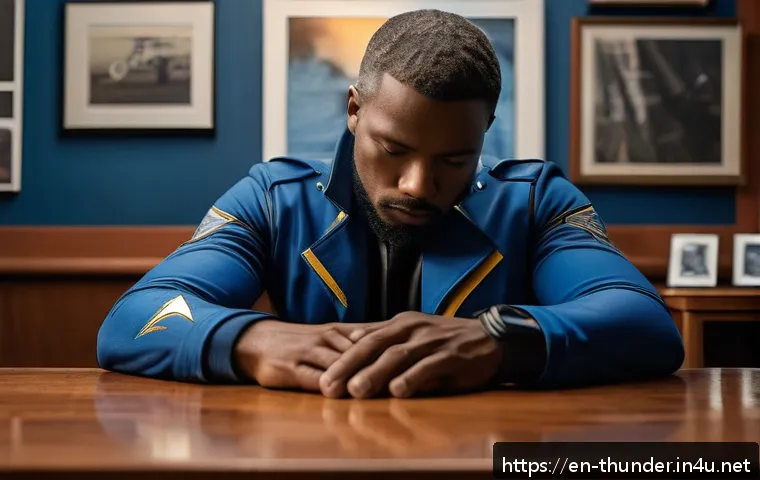
As recent stories highlight the fine line between using power for good or personal gain, exploring Lightning Man’s philosophy offers fresh insight into what truly makes a hero.
Whether you’re fascinated by superhuman speed or intrigued by ethical dilemmas, understanding his journey can reshape how we view responsibility and strength.
Stick around as we dive into lessons that go beyond the lightning-fast action and spark meaningful reflection. This isn’t just another superhero tale—it’s a guide to mastering power with purpose.
The Weight of Speed: Balancing Action with Reflection
The Rush vs. The Pause
When you think about someone who moves faster than the eye can see, it’s tempting to imagine nonstop action. But Lightning Man’s story reveals that even the fastest hero needs moments to slow down and consider his choices.
I’ve noticed this in my own life—when you’re rushing, mistakes happen. Lightning Man’s ability to hit pause, despite his speed, shows that real strength isn’t just in what you can do quickly, but in what you choose to do thoughtfully.
It’s like having a turbocharged car but knowing when to hit the brakes to avoid a crash.
Learning from Mistakes at Lightning Speed
Speed often means quick decisions, but Lightning Man’s journey isn’t about reckless impulses. He faces the consequences of his actions head-on, which adds layers to his character.
Watching his struggles made me realize that making mistakes fast isn’t the problem—it’s how you grow from them. This aspect humanizes him, making his superhuman powers relatable.
Nobody’s perfect, not even heroes, and that’s a powerful lesson in humility and resilience.
Why Reflection Is a Superpower Too
Reflection isn’t glamorous, especially in superhero stories, but it’s essential. Lightning Man’s moments of introspection remind us that speed without wisdom can be dangerous.
I’ve found that when I take a step back in my own hectic days, I make better decisions and feel more in control. Lightning Man embodies this perfectly—his power includes knowing when to act and when to think, which is a balance we all strive for, whether we’re saving the world or just navigating everyday challenges.
Power’s Purpose: Beyond Personal Gain
Using Strength to Empower Others
Lightning Man’s philosophy isn’t about showing off or gaining fame; it’s about lifting others up. His actions often focus on protecting the vulnerable rather than seeking glory.
This approach resonated with me deeply. In today’s world, where personal success often overshadows community well-being, his example stands out. True power lies in making a positive impact, not in how many people notice you.
That mindset shift feels refreshing and necessary.
The Temptation of Taking Shortcuts
With great power comes great temptation. Lightning Man faces moments where the easier path would be to bend rules or prioritize his interests. These internal battles highlight a common human experience: the lure of shortcuts when the stakes are high.
I relate to that struggle—sometimes doing the right thing is harder and slower, but it builds lasting trust. Lightning Man’s commitment to integrity, even when no one’s watching, is what sets him apart.
Redefining What Makes a Hero
Most superhero tales focus on flashy victories, but Lightning Man challenges that by showing heroism as an ongoing responsibility. It’s not just about stopping villains; it’s about how you carry your power day-to-day.
I’ve come to appreciate that heroism is as much about quiet consistency as it is about dramatic moments. This broader view encourages us all to find ways to be heroes in our own lives, regardless of our “powers.”
The Ethical Dilemma: When Speed Tests Morality
The Fine Line Between Justice and Vengeance
Lightning Man’s speed allows him to act faster than most, but that advantage raises tough questions about fairness and justice. Is it right to decide the outcome before others even get a chance?
This dilemma reminded me of times when acting hastily caused unintended harm. Lightning Man’s story forces us to confront how justice must be balanced with patience and empathy, even when we hold the upper hand.
The Responsibility That Comes with Advantage
Having a unique ability means extra responsibility. Lightning Man can’t just do whatever he wants because his power gives him an edge. This responsibility weighs heavily on him, and it’s a theme that’s surprisingly relevant outside of superhero contexts.
Whether you’re a leader at work or in your community, knowing how to wield influence ethically is critical. Lightning Man’s example of thoughtful restraint is a blueprint for anyone in a position of power.
When Doing Good Feels Complicated
Sometimes, Lightning Man’s good intentions lead to unintended consequences, showing that even heroes can face moral gray areas. This nuance is what makes his story compelling.
I’ve experienced situations where trying to help someone didn’t go as planned, and it was frustrating and humbling. Lightning Man’s willingness to face those complexities head-on makes his journey more authentic and relatable.
The Human Side of Lightning Man: Vulnerability Behind the Power
Struggles That Speed Can’t Fix
Despite his lightning-fast abilities, Lightning Man experiences fears and doubts like anyone else. This vulnerability adds depth to his character and reminds us that no matter how powerful someone seems, they can’t escape personal challenges.
I find this comforting because it breaks the myth that strength means invulnerability. Lightning Man shows that acknowledging weakness is part of true courage.
The Emotional Toll of Being Different
Being faster than everyone else isolates Lightning Man in some ways. His speed sets him apart, making it hard to relate to others or slow down enough to connect.
This emotional distance is a poignant part of his story. It made me think about how standing out in any way can sometimes feel lonely, even if it comes with perks.
Lightning Man’s journey highlights the importance of finding community and support, no matter your circumstances.
Growth Through Connection
One of the most inspiring aspects of Lightning Man’s tale is how he learns to lean on others. His relationships help him understand the balance between independence and interdependence.
I’ve seen firsthand how sharing struggles with friends or mentors can transform challenges into growth opportunities. Lightning Man’s openness to connection enriches his power, making him a more effective and grounded hero.
Lessons in Responsibility: Power as a Gift and a Duty
Choosing Purpose Over Ego
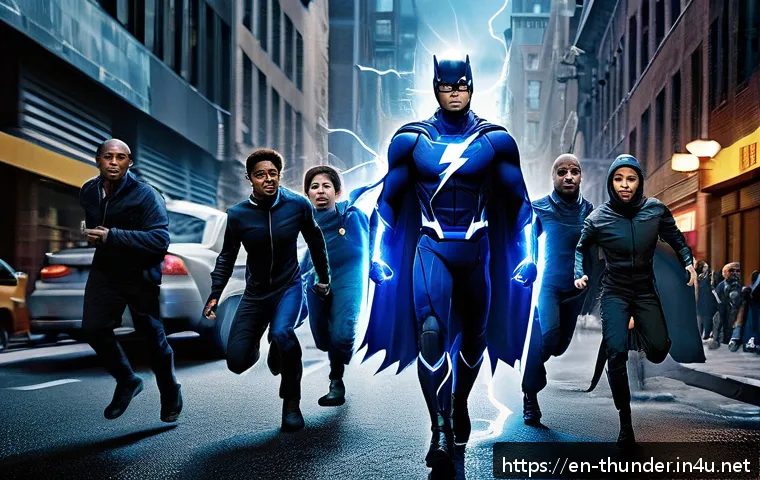
Lightning Man’s story repeatedly shows that power without purpose is hollow. He chooses to channel his abilities toward causes bigger than himself, which elevates his role from mere speedster to true hero.
This choice struck a chord with me—our talents and resources can be squandered if we chase only personal gain. Lightning Man’s example encourages us to seek meaning in what we do, reminding me to align my efforts with values that matter.
The Ripple Effect of Small Actions
Sometimes, Lightning Man’s impact isn’t about grand gestures but the small, consistent acts that build trust and hope. This perspective helped me appreciate how everyday choices contribute to bigger change.
Whether it’s helping a neighbor or standing up for fairness, these actions create ripples that extend far beyond the initial moment. Lightning Man embodies this principle beautifully, showing that heroism isn’t always about spectacle.
Accountability When Power Meets Mistakes
Being powerful means owning up to mistakes publicly and honestly. Lightning Man’s accountability is a cornerstone of his integrity. I’ve learned from observing his story that admitting fault doesn’t diminish strength; it reinforces it.
This stance has practical implications—whether in leadership or personal life, transparency builds credibility and fosters respect.
Understanding Limits: When Even Lightning Needs Boundaries
Recognizing Physical and Emotional Limits
Even with superhuman speed, Lightning Man faces limits that test his endurance and resolve. His awareness of these boundaries is key to his longevity as a hero.
I found this relatable because pushing beyond limits without rest often leads to burnout. Lightning Man’s story is a reminder to respect our own physical and emotional thresholds to maintain effectiveness and well-being.
The Danger of Overconfidence
There’s a fine line between confidence and recklessness, and Lightning Man walks it carefully. His experiences show that overestimating one’s abilities can have serious consequences.
I’ve seen this in real life—when I got too cocky, things didn’t turn out well. Lightning Man’s humility and cautious approach serve as a cautionary tale that even the fastest need to stay grounded.
Setting Boundaries to Protect What Matters
Lightning Man learns that setting limits isn’t a weakness but a strategic choice. By defining when and how to use his powers, he safeguards himself and those he cares about.
This lesson is powerful because boundaries often get misunderstood as restrictions, when they actually create space for growth and safety. Lightning Man’s approach encourages us to set healthy limits in our own lives, enhancing both strength and balance.
Comparing Heroic Values: Power, Speed, and Wisdom
Speed vs. Strength: Different Forms of Power
Lightning Man’s speed is his defining trait, but it contrasts with heroes who rely on brute strength. Speed allows for agility, quick thinking, and rapid response, whereas strength often focuses on endurance and force.
Both have merits and challenges, but Lightning Man’s story illustrates how speed combined with wisdom can create a uniquely effective hero. It’s a reminder that power isn’t one-dimensional.
The Role of Wisdom in Enhancing Abilities
Wisdom acts as a multiplier for any ability. Lightning Man’s reflective nature amplifies the impact of his speed, preventing it from becoming reckless.
This blend is something I’ve come to value in my own work—raw talent needs to be paired with thoughtful strategy to truly succeed. Lightning Man personifies that ideal, showing that brains and brawn aren’t mutually exclusive.
Ethics as the Ultimate Superpower
Above all, Lightning Man’s commitment to ethics is his greatest strength. It’s what keeps him grounded and respected. This focus on moral clarity is inspiring because it highlights that how you use power matters more than the power itself.
In a world hungry for heroes, Lightning Man’s ethical compass offers a model for all of us striving to make a positive difference.
| Aspect | Lightning Man’s Approach | Real-World Application |
|---|---|---|
| Speed | Used thoughtfully with moments of reflection | Balancing fast decisions with careful consideration |
| Power | Channeled for community benefit, not ego | Using talents to support others, not just self |
| Ethics | Maintains integrity even under pressure | Holding oneself accountable in leadership and daily life |
| Vulnerability | Acknowledges limits and emotional struggles | Embracing imperfection as part of growth |
| Responsibility | Chooses purpose over shortcuts | Prioritizing long-term impact over immediate gain |
In Conclusion
Lightning Man’s story teaches us that true power lies not only in speed or strength but in the wisdom to balance action with reflection. His journey reminds us that vulnerability, responsibility, and ethics are essential parts of being a hero. By embracing these lessons, we can all find ways to use our abilities thoughtfully and make a meaningful impact in our own lives.
Helpful Information to Know
1. Taking moments to pause and reflect can prevent costly mistakes, even when acting quickly.
2. Using your talents to support others creates lasting value beyond personal success.
3. Ethical decision-making strengthens trust and credibility in all areas of life.
4. Acknowledging your limits and vulnerabilities is a sign of true courage and resilience.
5. Consistent, purposeful actions often have more impact than grand gestures or shortcuts.
Key Takeaways
Lightning Man exemplifies how combining speed with thoughtful reflection and ethical responsibility creates a balanced and effective hero. His story shows that power is a gift that demands humility, accountability, and a focus on helping others. Embracing vulnerability and setting boundaries are crucial to sustaining strength over time. Ultimately, it’s the intention behind our actions—not just the actions themselves—that defines true heroism.
Frequently Asked Questions (FAQ) 📖
Q: uestionsQ1: What makes Lightning Man different from other superheroes with super speed?
A: Lightning Man isn’t just about raw speed or flashy powers. What truly sets him apart is his deep reflection on the moral weight of his abilities. Unlike many heroes who simply fight villains, he constantly questions how his speed and strength should be used responsibly.
His story highlights the struggle between using power for self-interest versus the greater good, making his journey as much about ethics as about action.
Q: How does Lightning Man’s philosophy influence the way we think about power and responsibility?
A: Lightning Man challenges the common idea that power automatically means heroism. He shows that true strength comes with understanding the impact of your actions and choosing wisely.
His philosophy encourages us to look beyond immediate results and consider the long-term consequences of how we use our abilities—whether superhuman or everyday skills.
This perspective invites everyone to reflect on their own responsibilities in life.
Q: Can Lightning Man’s story teach us practical lessons outside of superhero fiction?
A: Absolutely. While his adventures involve lightning-fast chases and epic battles, the core lessons apply to real life. For example, managing power with purpose can relate to leadership, influence, or personal talents.
From my own experience, people who embrace responsibility and ethical choices tend to build stronger trust and lasting success. Lightning Man’s narrative is a powerful reminder that how we use our abilities defines who we really are.